
Unsure what "AHAs" mean on your beauty products? Here is everything you need to know about AHAs, or alpha-hydroxy acids, including what they do, how to use them, and whether they're truly "clean".

There are so many buzzwords in the skincare world that it can be hard to keep them all straight, remember what they do, and if they're even right for your skin type. Let alone decide if they're even safe! Especially when one word covers a whole class of ingredients. Today I'm breaking down a popular group of ingredients in skincare called alpha hydroxy acids, or AHA as you've probably seen them called, so that you can decide whether you want them in your skincare routine.
Jump to:
What Are AHAs?
AHAs, short for alpha hydroxy acids, refers to a group of organic acids that are naturally found in fruits, sugarcane and milk, or derived from these sources. There are several types of AHAs that are typically used in skincare, but most serve as exfoliants. They work by loosening the top layer of dead skin cells by breaking the bonds that hold them together, encouraging new cell growth and turnover. They can also acts as humectants, drawing in moisture to help skin feel more hydrated.
How well AHAs exfoliate (and how irritating they can be to sensitive skin) depend on their concentration and pH levels. Concentration of home skincare products, such as serums, is usually 5-10% and ideal pH is 3.5.
AHAs can be found in many beauty products, from cleansers, toners, serums, and moisturizers to deodorant and body wash.
Types of AHAs
The most well-known AHAs in skincare are probably glycolic acid and lactic acid but there are others used in beauty products.
- Glycolic acid - Derived from sugarcane, this common AHA exfoliates and can support hydration. It's also the most potent, making it a good choice for those with skin that ranges from dry to oily, but not sensitive, and particularly for those with dull skin, large visible pores, or discoloration.
- Lactic acid - Found naturally in dairy and fermented vegetables, lactic acid is a more gentle exfoliator that's ideal for dry or sensitive skin.
- Citric acid - Commonly found in citrus fruits, this AHA is good for treating acne and sun damage. It's also commonly used as a preservative in skincare products.
- Mandelic acid - Derived from almonds, this AHA is another gentle exfoliator that has antibacterial properties, making it ideal for acne prone and sensitive skin.
- Malic acid and Tartaric Acid - These are both mild AHAs found in fruits. They are commonly used in tandem with other AHAs.
- Kojic acid - This gentle AHA from fungi is a brightening acid, which helps with hyperpigmentation, and also an antioxidant, which can help prevent sun damage.
AHA vs BHA vs PHA
While AHAs and BHAs are both exfoliators, AHAs are water-soluble and work primarily on the surface of the skin to clear away dead skin cells and treat skin tone and texture concerns such as dryness, dullness, sun damage, fine lines, and hyperpigmentation.
BHAs (or beta hydroxy acids), on the other hand, are oil-soluble, meaning they can get deeper into pores and help dissolve buildup and congestion. BHAs like salicylic acid are good for those with oily skin, clogged pores and breakouts.
PHAs (polyhydroxy acids) are exfoliators that are even gentler than AHAs. Due to their large molecular size, they don't penetrate the skin as deep, reducing likelihood of irritation, making them suitable for those with very sensitive skin.
Benefits of AHAs
Improved Skin Texture
As exfoliants, AHAs help remove the top layer of dead skin cells, which can help smooth rough patches, flaky skin, blemishes and keratosis pilaris. They can also act as humectants, helping the skin draw in and retain more moisture, for plumper, more hydrated skin.
Reduced Signs of Aging
As our skin ages, cell turnover slows down resulting in fine lines, wrinkles and sun spots. AHAs help speed skin cell turnover which can help smooth the appearance of these visible signs of aging. With regular use, AHAs could also help increase collagen and elastin in the skin which give it more structure and elasticity (aka more firmness, fewer wrinkles!).
More Even Skin Tone
By gently exfoliating the skin, AHAs can remove the top layer of dull skin, as well as hyperpigmented skin caused by melasma, age spots, sun damage and scarring, revealing brighter, more even looking skin.
Reduced Acne
Acne is often caused by buildup of dead skin cells that trap oil and debris in pores. Exfoliating the surface with AHAs can help remove buildup so that pores don't become clogged. (Adding a BHA on alternating nights can help reduce clogged pores even more!)
Safety Concerns
Though home-use AHAs are typically gentle and safe, there are a few precautions if you're new to using them.
Side Effects
The main side effects of using an acid on the face, especially with over-use or for those with sensitive skin include:
- irritation such as redness or a tingling/burning sensation
- dryness or flakiness
- blotchy or tight skin
- sensitivity to other products
If you're new to using AHAs, test a small area of your face for irritation first. You might start with using the product 2 nights a week, then increase as your skin tolerates it.
Sun Sensitivity
AHAs increase sun sensitivity, so it's a good idea to apply SPF while using them in your skincare routine. After all, you don't want to add more sun damage if you're treating dark spots and fine lines!
Pairing With Other Active Ingredients
It's best to avoid stacking acids like AHAs with other acids or potent exfoliating ingredients, as too much can cause irritation and dryness. Avoid using AHAs at the same time as products with BHAs (such as salicylic acid), retinoids, or benzoyl peroxide. You can alternate nights if you're already using skincare with these ingredients.
Are AHAs Clean?
Many AHAs traditionally occur naturally or are derived from fruits, dairy, or other plants. However, often AHAs are synthesized for consistency and cost effectiveness. So the answer is: it depends. Be sure to check labels on your products if you're concerned about safe, nontoxic ingredients in your skincare. Which if you're here, I'm guessing that's important to you! To help you weed through the thousands of products out there, I've linked some of my favorite nontoxic products with naturally derived AHAs below.
My Favorite Clean AHA Skincare Products
A 100% natural Glycolic Acid toner and liquid exfoliator with fruit AHA's and BHA's to reveal instantly smoother and brighter skin. Our blend of fruit AHAs includes Glycolic Acid (Sugar Cane), Malic Acid (Apples) and Citric Acid (Citrus Fruits), as well as BHA Salicylic Acid from Willow Bark helps to boost exfoliation, reduce irritation and dryness and improve skin texture.


Truly a miracle product! This silky, stealthily effective 10% glycolic and lactic acid serum works overnight and over time to exfoliate, resurface, and moisturize, leaving your skin glowy, smooth, practically poreless, and baby-soft. While the serum contains high-strength AHAs to deliver intense resurfacing—targeting uneven skin tone, dull texture, fine lines, dullness, spots, and clogged pores—it’s also remarkably gentle on skin.

From one of my all-time clean beauty brands, this mask treatment blends 27.2% AHA, BHA, PHA, and THX for professional-grade exfoliation and radical radiance after just one use.

This clean deodorant gel is AMAZING! It truly keeps me smelling fresh AND it eliminated razor bumps entirely.

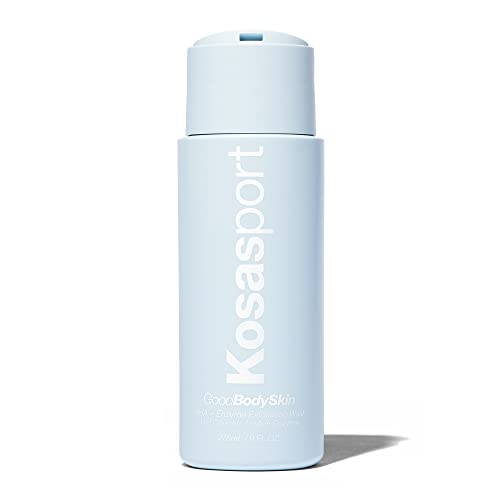
I LOVE this body wash for gently exfoliating all over. It's great for softening dry skin and preventing ingrown hairs, and it smells delicious!
More AHA FAQs
Glycolic acid and lactic acid are generally considered pregnancy safe when used at lower at-home concentrations (5-7%). Other AHAs may not be pregnancy safe, nor are stronger chemical peels considered safe during pregnancy. It's always best to consult your physician about any products you ingest or apply to your skin during pregnancy to be on the safe side.
You'll typically want to use AHAs at night. An esthetician once told me - antioxidants (like vitamin C) in the morning, acids at night.
Light tingling can be normal with AHA use, especially those with higher concentrations. If you're new to using acids, you may notice more tingling or irritation. If irritation, redness, or flakiness happens, decrease the frequency or find a gentler product with a lower concentration.
If you're just starting out using AHAs, start with 2 nights per week, then build up to every night. If you're using other acids or exfoliating products, alternate the nights you use them to avoid irritation or dryness from layering.
Resources:


